
Opening: A tour announcement with a message
When Bruce Springsteen confirms a tour, it’s always news. But the newly announced U.S. leg of the “Land of Hope and Dreams” tour landed with extra weight. This spring, the Springsteen–E Street Band machine returns to American stages with a run framed not just as a celebration of music, but as what Springsteen calls “a celebration and a defense” of democratic values. In an era of loud debates and louder timelines, the tour positions rock concerts as civic gatherings—places to sing, yes, but also to reflect.
The route: 20 cities, coast to coast
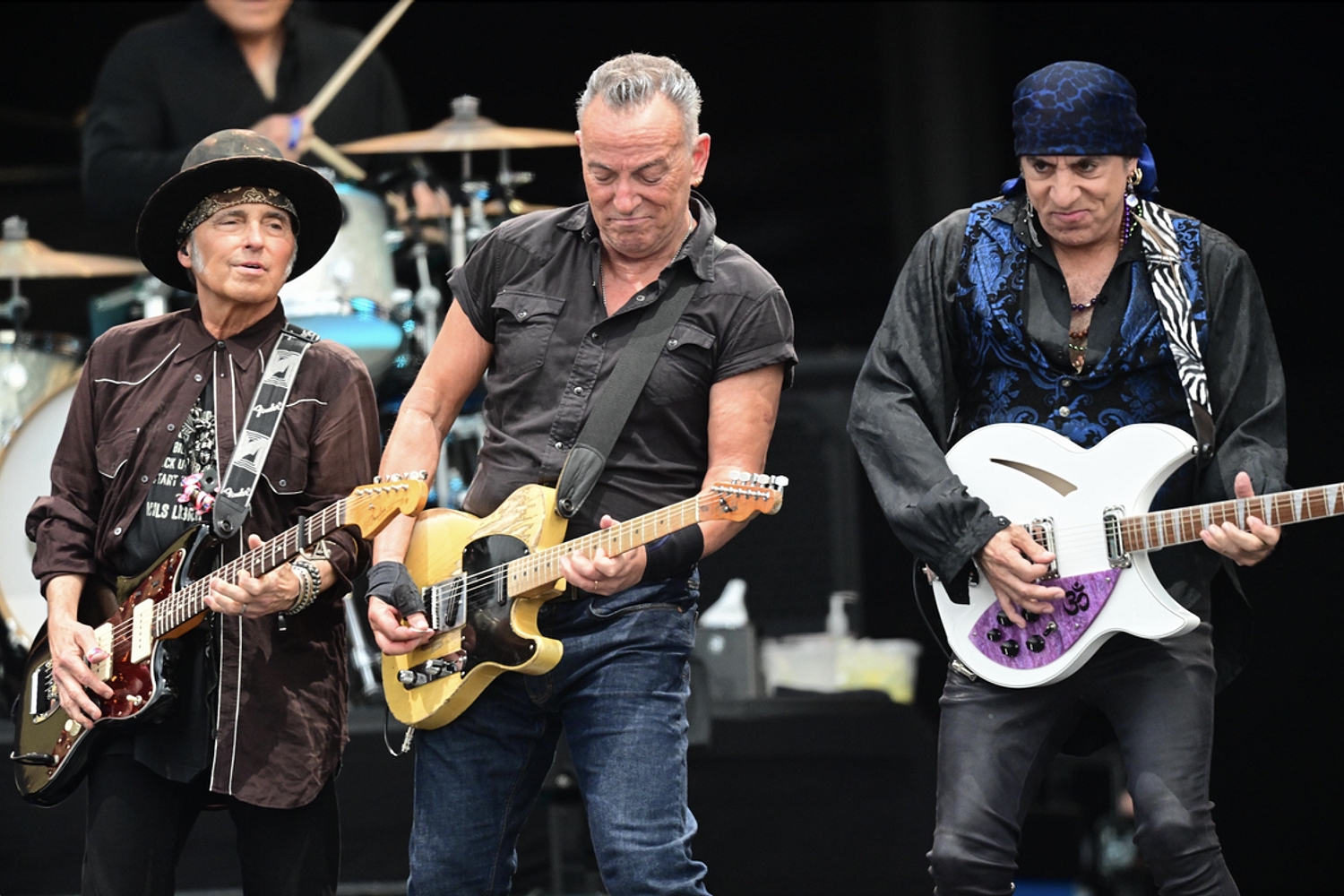
The itinerary opens March 31 in Minneapolis, a deliberate choice that fans quickly connected to Springsteen’s recent release, Streets of Minneapolis. From there, the tour threads through 20 cities, building toward a massive outdoor finale in May at Nationals Park. The geography tells a story of its own: arenas and ballparks across the country, each stop turning into a temporary town square where the band’s thunderous sound meets local stories and local stakes.
Why Minneapolis matters
Opening in Minneapolis reads like a statement. Springsteen has long woven American cities into his songwriting, turning place into character. The recent single bearing the city’s name sharpened attention on the choice, suggesting a dialogue between new material and the road ahead. For fans, the opener feels less like a logistical convenience and more like a narrative starting point—a way of anchoring the tour’s themes in a specific, lived-in place before letting them echo nationwide.
“Celebration and defense”: the tour’s framing
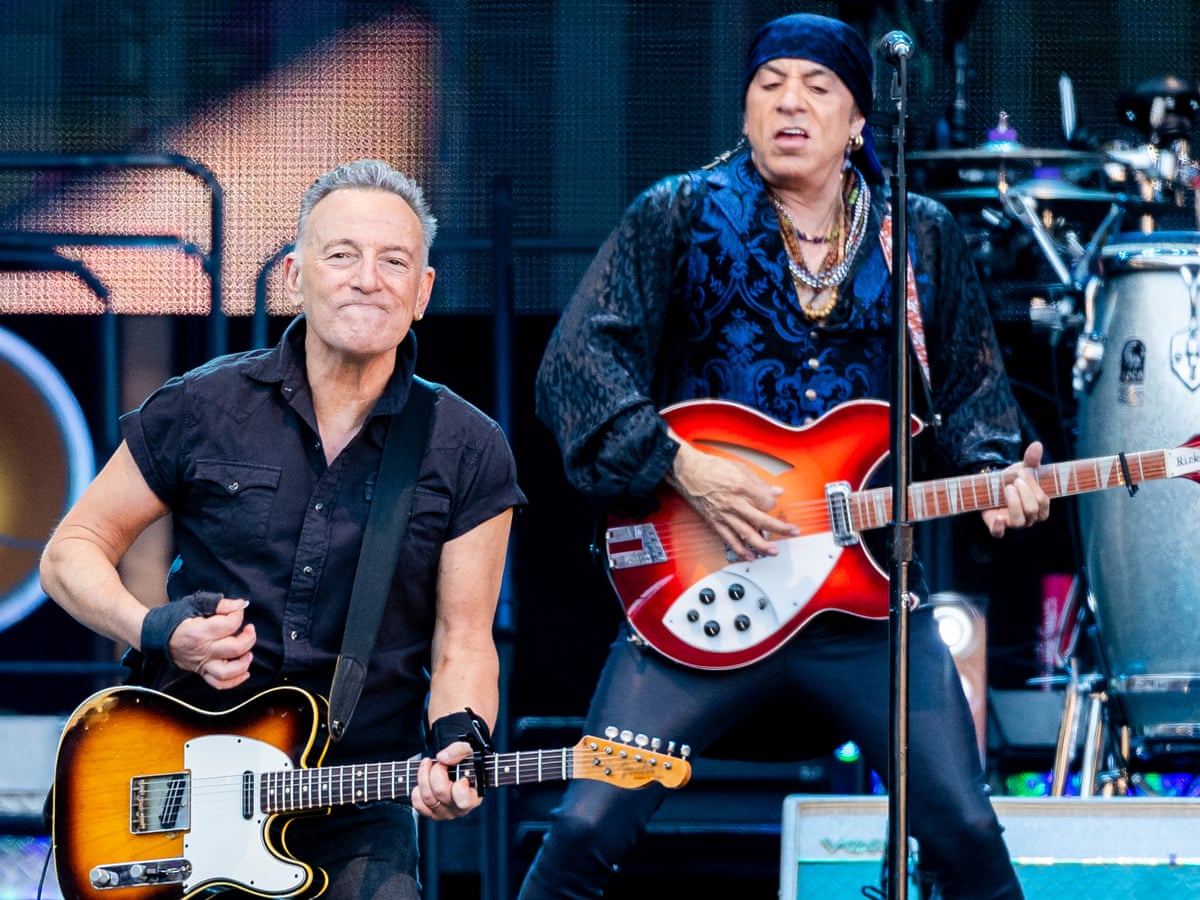
Springsteen’s description of the tour has sparked conversation: concerts as both celebration and defense of democracy. It’s not the first time he has brought civic language to the stage, but the phrasing signals intent. The shows promise joy—long sets, familiar anthems, the communal release that defines E Street nights. At the same time, the framing invites audiences to hear the songs as commentary: on work and dignity, on belonging, on the fragile promise of the American idea. In a polarized moment, that duality—joy without amnesia—feels deliberate.
New protest energy alongside classic anthems
The setlists are expected to balance eras. Longtime fans anticipate staples that turn arenas into choirs, while newer material adds sharper edges. The recent protest-leaning track has already stirred debate for its directness, and insiders suggest the tour will lean into that energy without abandoning the catalog that made Springsteen a stadium fixture. The result, if early reactions are any guide, is a show that moves fluidly from nostalgia to urgency—one minute the comfort of shared memory, the next a nudge toward uncomfortable questions.
Tickets, demand, and the reality of live music now
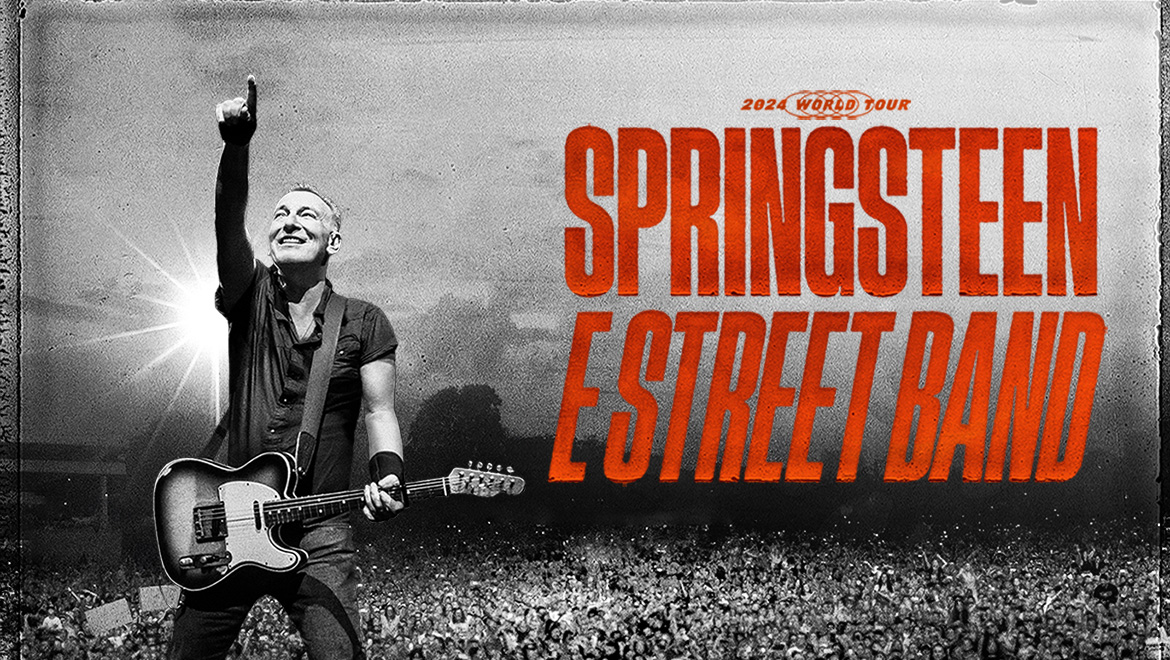
Tickets went on sale days ago, and the familiar scramble followed. Fans traded tips across socials, some celebrating face-value victories, others lamenting queues and resale markups. The frenzy underscores a broader truth about live music in 2026: demand for communal experiences remains fierce, even as prices and access spark debate. For Springsteen’s audience—famously cross-generational—the challenge is not only securing a seat, but keeping the ritual accessible to the younger fans discovering E Street shows for the first time.
The E Street Band’s enduring chemistry
Part of what keeps these tours appointment-worthy is the band itself. The E Street Band’s chemistry—honed over decades—turns each song into a living thing, stretching tempos, swapping smiles, letting solos breathe. Onstage, the group embodies the tour’s thesis: community made visible. In an industry where backing bands rotate and playlists rule, the continuity of this ensemble feels almost radical, a reminder that longevity can be its own form of rebellion.
Concerts as civic spaces
Springsteen shows have long functioned as more than entertainment. Fans arrive early, trade stories, pass down rituals. Inside, the call-and-response moments—hands raised, voices lifted—create a fleeting democracy of sound. Everyone gets a vote in the chorus. Framing this tour as a defense of democratic values reframes that experience: the crowd isn’t just consuming a show; it’s participating in a practice of togetherness. In a time when many people feel atomized, that practice matters.
The finale in Washington, D.C.: symbolism on a big stage
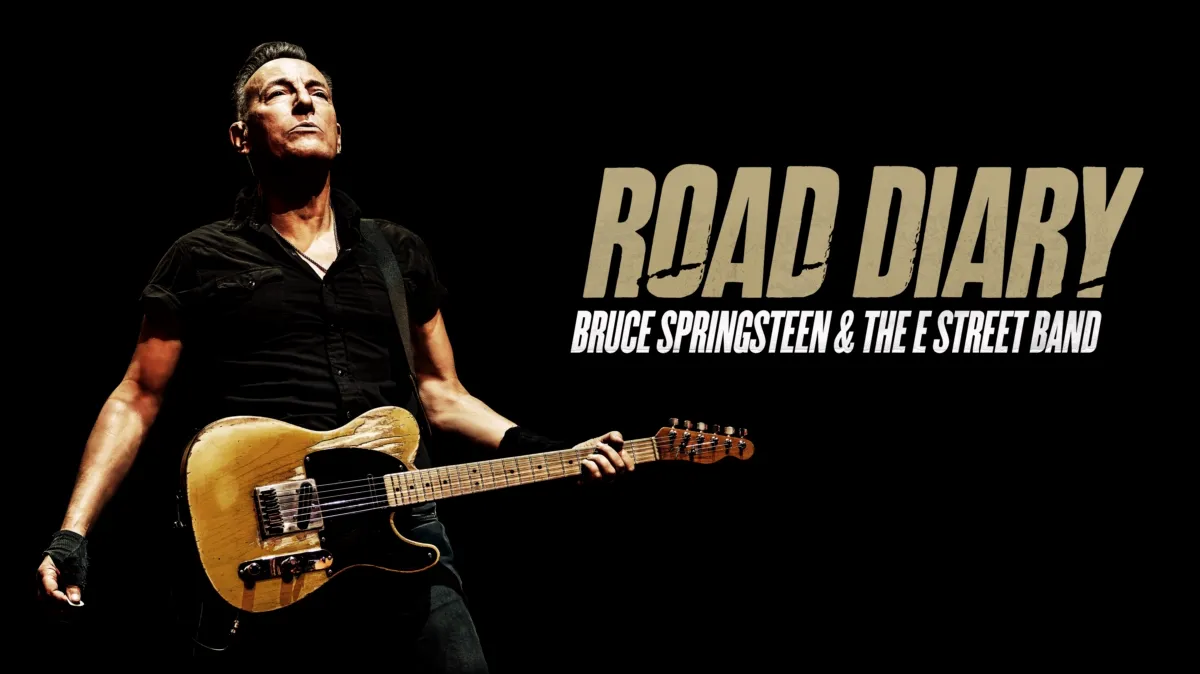
Ending the run with an outdoor show at Nationals Park adds a layer of symbolism. The capital city has always carried outsized meaning in American storytelling, and closing there turns the tour into a kind of pilgrimage—20 cities leading to a civic epicenter. The choice hints at a finale designed to feel consequential, a last chord ringing out in a place where national arguments often play out in real time.
What to expect—and why it matters
Fans planning their travel are eyeing cities, comparing venues, and swapping survival strategies for the on-sale scramble. Beyond logistics, there’s anticipation about tone: Will the shows lean fiery or reflective? The smart money says both. Springsteen has built a career on holding contradictions—hope alongside hardship, celebration alongside critique. This tour, framed as a stand for democracy, extends that tradition into the present tense.
Closing: Rock shows as reminders
“Land of Hope and Dreams” promises sweat, guitars, and three-hour nights that leave voices hoarse. But it also promises something rarer: a reminder that public life isn’t only debated online or decided in distant rooms. Sometimes it’s practiced shoulder to shoulder, singing the same line at the same time. This spring, as the tour rolls through 20 American cities, Springsteen and the E Street Band aren’t just playing songs—they’re staging a reminder of what shared spaces can feel like when the lights go down and the crowd sings back.

