Bruce Springsteen has spent decades singing about the people America too often forgets — factory workers, immigrants, veterans, struggling families, and everyday people trying to survive systems that rarely work in their favor. This week, during his Land of Hope and Dreams tour, The Boss once again proved that his commitment to those people extends far beyond lyrics and concert stages.

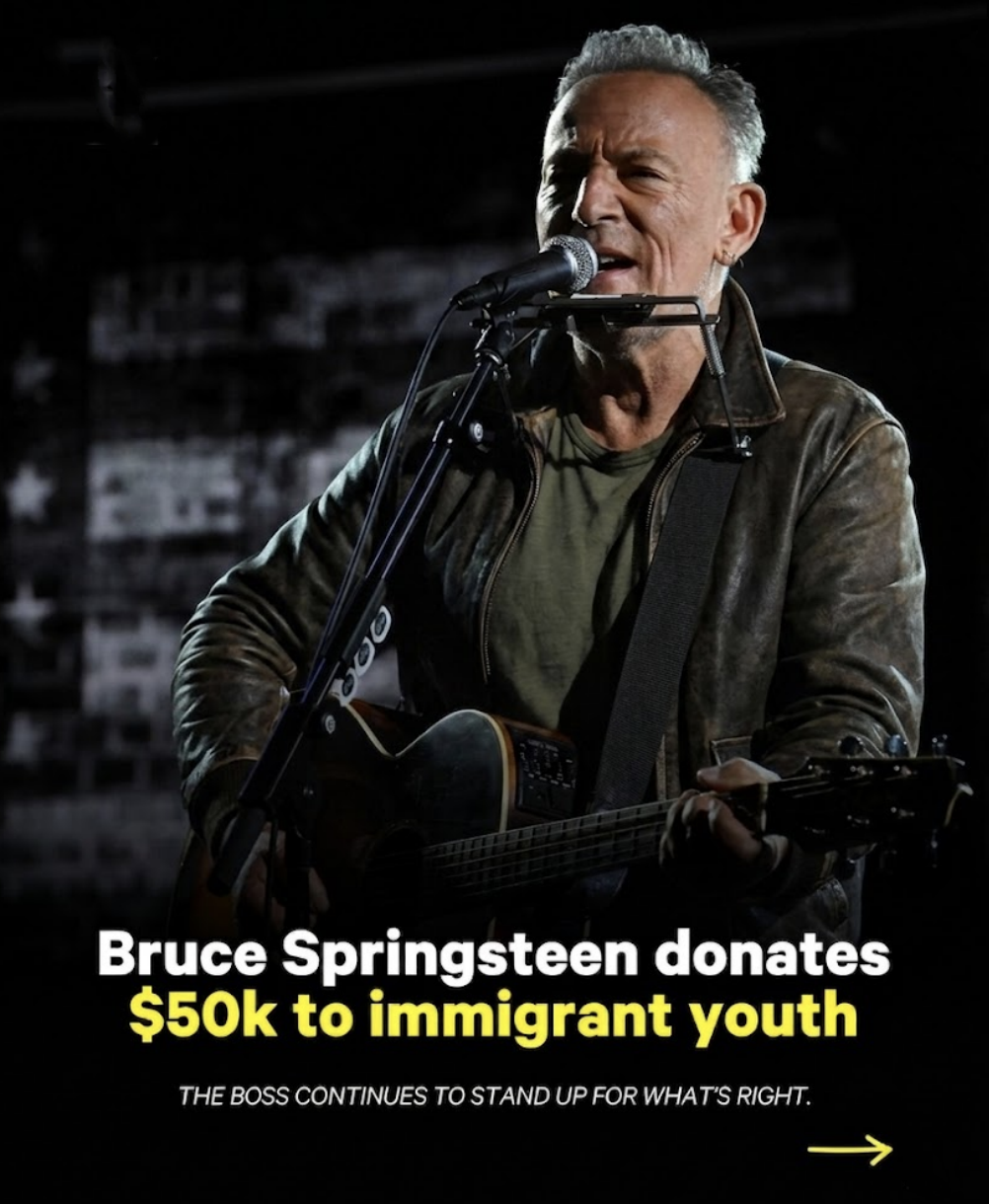
Earlier this week, Springsteen donated $50,000 to United We Dream, the nation’s largest immigrant youth-led organization. The group has spent years fighting for immigrant rights, advocating for policies that allow families and young people to live with dignity regardless of immigration status. In a political climate where immigration remains one of the most divisive issues in America, Springsteen’s donation was more than charity — it was a clear statement about the kind of country he believes America should be.
United We Dream has become one of the most influential voices for immigrant youth in the United States. The organization works to protect undocumented immigrants, defend DACA recipients, and push for reforms that create pathways toward equality and opportunity. For many immigrant families, groups like UWD provide not only legal and political advocacy, but also emotional support and a sense of belonging in a country where they are often treated as outsiders. By supporting the organization publicly, Springsteen amplified their mission to millions of fans around the world.

The donation comes during a particularly heated political moment in the United States. Immigration policy has once again become a centerpiece of national debate, especially as Donald Trump continues campaigning while doubling down on harsh anti-immigration rhetoric. Trump’s policies during his presidency included family separations at the border, travel bans targeting predominantly Muslim countries, attempts to end DACA protections, and aggressive ICE raids that terrified immigrant communities across the nation. Those policies drew fierce criticism from human rights organizations, immigration advocates, and artists alike.
Bruce Springsteen has never hidden where he stands.
Over the years, he has emerged as one of Trump’s most outspoken critics in the entertainment industry. While many celebrities choose vague political statements designed to avoid backlash, Springsteen has repeatedly spoken with unusual directness about what he believes is happening to America. During recent appearances at No Kings rallies, Springsteen warned about rising authoritarianism, attacks on democratic norms, and policies he believes are rooted in cruelty rather than compassion.
For Springsteen, immigration is not just another political talking point. It ties directly into the themes he has explored throughout his entire career: hope, struggle, dignity, and the search for a better life. Songs like “The Ghost of Tom Joad,” “American Land,” and “Land of Hope and Dreams” reflect stories of working people, migrants, and outsiders searching for belonging in America. His music has always painted a portrait of the country that includes those living at the margins, not just those already holding power.
That is one reason why his clashes with Trump have become so symbolic.
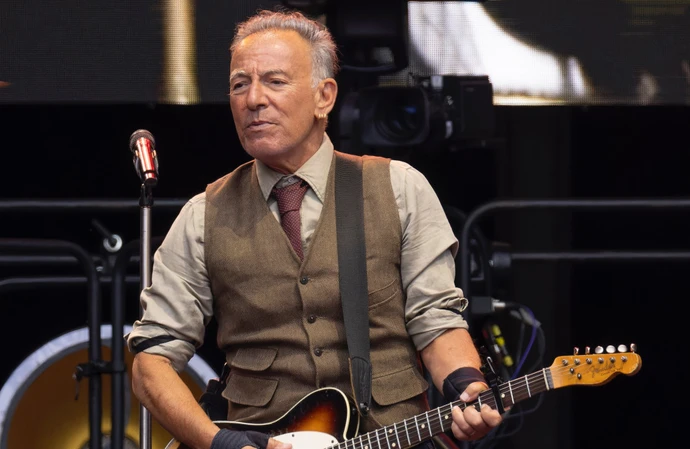
During Trump’s presidency and again throughout the current campaign cycle, Springsteen repeatedly objected to the use of his music at political events associated with Trump. He joined a growing list of artists who formally blocked Trump from using their songs, arguing that the values represented in the music were fundamentally incompatible with Trump’s political messaging. To Springsteen, songs about resilience, unity, and ordinary people surviving hardship were never meant to soundtrack rallies built around division and fear.
Critics on the right have accused Springsteen of becoming “too political,” but longtime fans argue that politics have always been central to his work. From the Vietnam-era trauma explored in “Born in the U.S.A.” to songs about economic inequality and forgotten workers, Springsteen’s career has consistently focused on the consequences of political decisions on ordinary lives. The difference now is simply that he is naming names more directly.
His donation to United We Dream also arrives at a time when immigrant communities across the country are feeling increasing anxiety about the future. Many young immigrants who grew up in America continue living in legal uncertainty, unsure whether future administrations will protect or dismantle programs that allow them to remain in the country. Families fear deportation, children fear separation from parents, and many workers who contribute to the American economy continue living without basic protections.
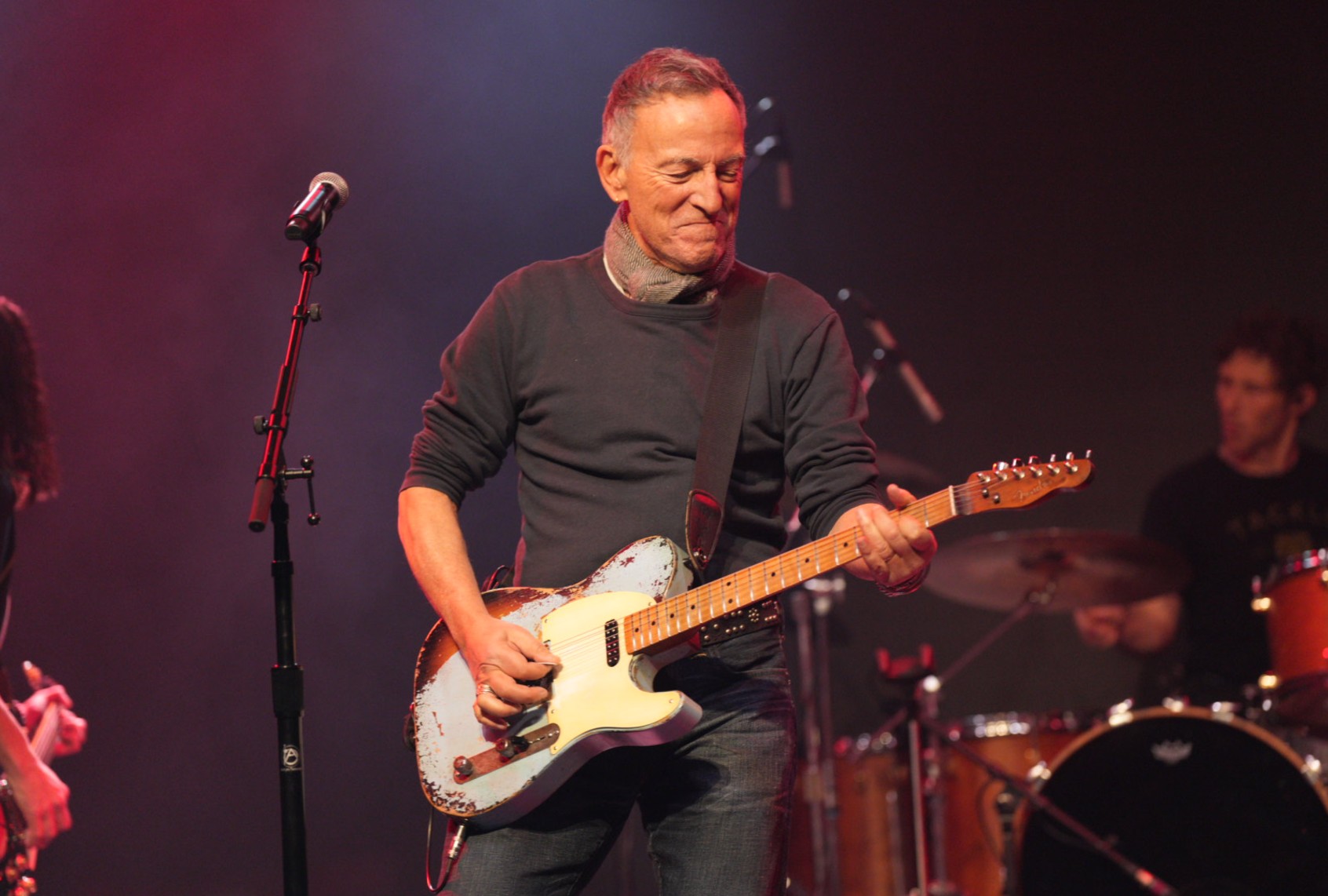
By donating during a high-profile tour, Springsteen ensured the issue would receive national attention. Concert tours are often carefully managed corporate productions designed to avoid controversy whenever possible. But Springsteen has increasingly used his stage as a platform for political and social commentary. During performances on the Land of Hope and Dreams tour, he has spoken openly about democracy, justice, and what he sees as the moral responsibilities of citizenship.
The reaction online has been intense.
Supporters praised Springsteen for using his wealth and visibility to support vulnerable communities rather than remaining silent. Many fans argued that artists with massive platforms have a responsibility to speak out during moments of political tension, especially when marginalized groups are under attack. Others noted that Springsteen’s activism feels authentic precisely because it aligns so closely with the messages present throughout his music for decades.
Predictably, critics attacked him as well. Conservative commentators accused him of pushing “left-wing politics” and alienating parts of his audience. Some Trump supporters called for boycotts, while others claimed celebrities should stay out of politics entirely. But Springsteen has shown little interest in softening his message to avoid controversy. If anything, his statements have become more direct over time.
At 76 years old, Bruce Springsteen remains one of the few legacy rock stars still willing to consistently risk backlash in order to speak openly about political issues. Many artists from his generation avoid taking strong public positions for fear of damaging their brands or dividing fans. Springsteen appears unconcerned with that calculation. Instead, he continues acting in ways that reflect the worldview embedded in his songwriting since the 1970s.
That consistency may be why his voice still resonates so strongly across generations.
To supporters, Springsteen represents a version of patriotism rooted not in exclusion, but in empathy — the belief that America’s strength comes from protecting ordinary people rather than scapegoating them. His critics may reject his politics, but few can deny that he has remained remarkably consistent in the causes he chooses to support.
The $50,000 donation itself will not solve the enormous challenges facing immigrant communities in America. But symbolic actions matter, especially when they come from cultural figures with global influence. Springsteen used one of the biggest tours in the country to direct attention toward immigrant youth at a moment when many feel politically targeted and socially vulnerable.
For Bruce Springsteen, the message appears clear: the “Land of Hope and Dreams” he sings about must include immigrants too.