“At This Point, It’s Fatigue”: Why Some Fans Are Turning Away From Political Lectures at Concerts
“At this point, it’s fatigue.”
Those four words may best summarize a growing sentiment among a segment of concertgoers across America.
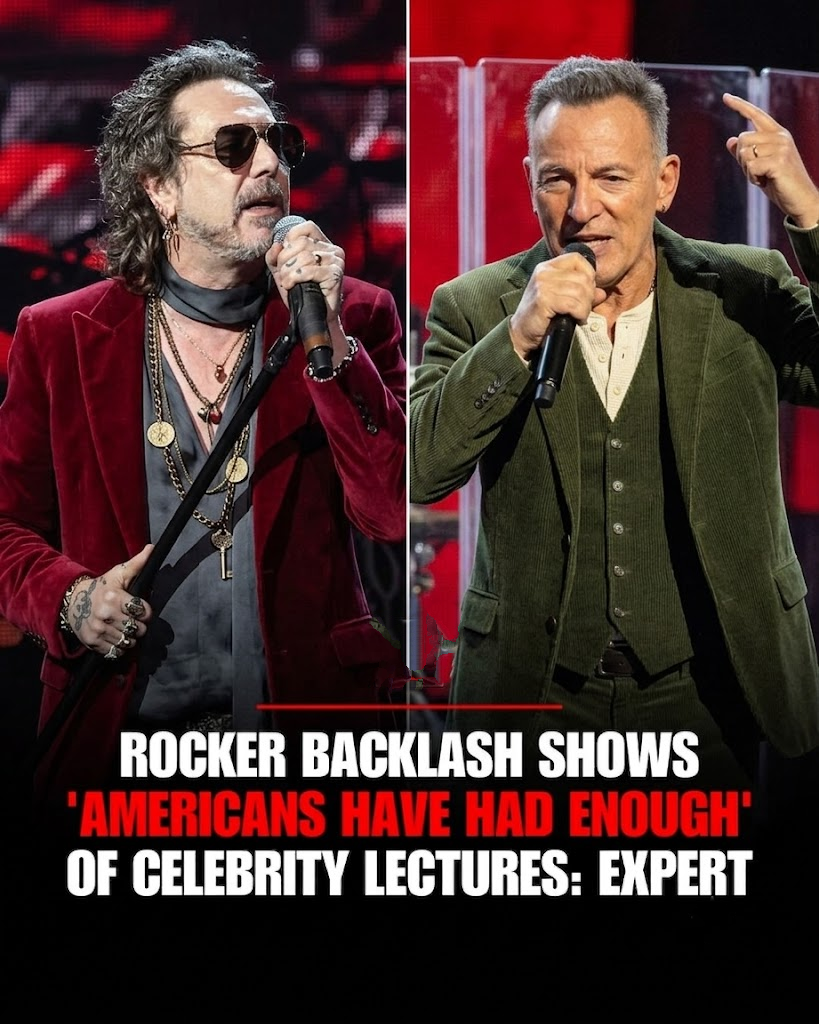
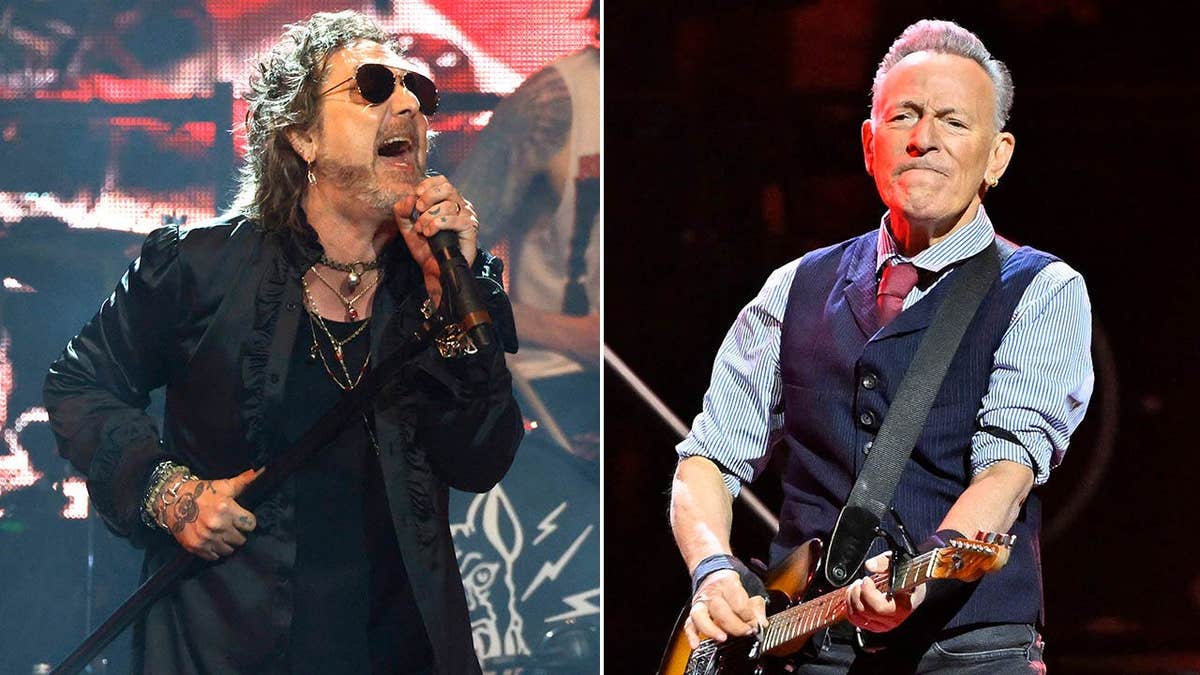
As debates continue over politics, celebrity activism, and the role of entertainers in public discourse, artists such as Bruce Springsteen and Chris Robinson of The Black Crowes have once again found themselves at the center of controversy. Recent political remarks made during performances and public appearances have generated strong reactions online, with supporters applauding their willingness to speak out and critics questioning whether concerts are the appropriate venue for political messaging.
According to public relations expert Doug Eldridge, the issue goes beyond any single political statement.
“For the last decade, fans have been lectured, lied to, gaslit, and shamed if they didn’t conform to the new standard du jour,” Eldridge told Fox News Digital.
His comments reflect a broader frustration that has been building among some Americans who say they are exhausted by politics appearing in nearly every aspect of daily life.
The debate is not necessarily about whether artists have the right to express their views. Most people agree they do.
The question is whether audiences who spend hundreds of dollars on tickets are looking for political commentary when they attend a concert.
For decades, musicians have used their platforms to address social and political issues. From Bob Dylan and Joan Baez during the civil rights era to U2, Neil Young, and countless others, artists have often viewed music as a vehicle for activism.
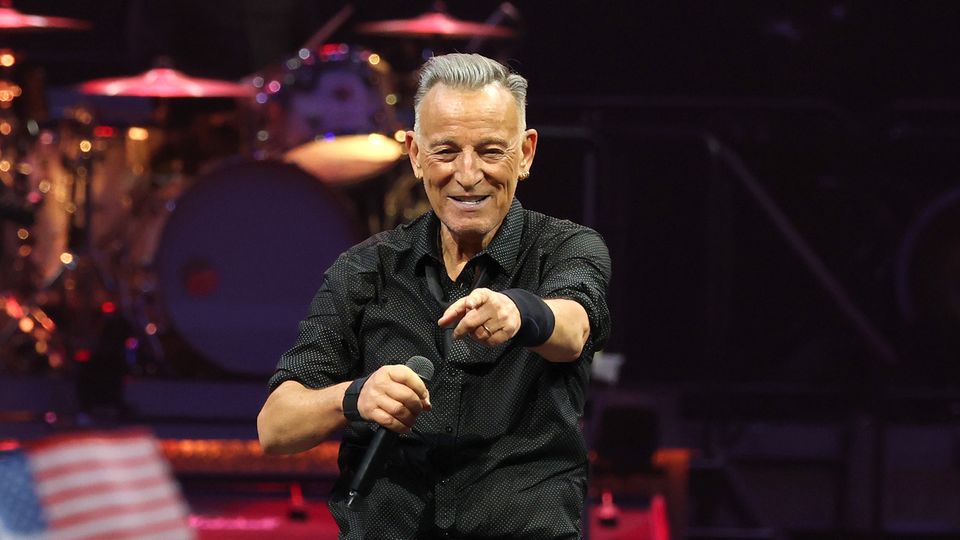
Bruce Springsteen himself has never hidden his political beliefs.
Throughout his career, the legendary rocker has spoken openly about working-class struggles, economic inequality, war, patriotism, and the direction of American society. His songs frequently explore themes that intersect with politics, even when they are rooted in personal stories.
Many fans admire him precisely because of that honesty.
Others, however, believe there is a difference between expressing political beliefs through art and directly lecturing audiences from the stage.
That distinction has become increasingly important in an era of intense political polarization.

Today, Americans are exposed to political arguments almost constantly. Television news, podcasts, social media platforms, online videos, workplace discussions, and even family gatherings often become battlegrounds for political disagreements.
For some people, concerts represent one of the few remaining spaces where they hope to escape that environment.
They buy tickets not to debate policy but to enjoy music.
Not to hear campaign-style rhetoric but to reconnect with songs that have helped shape important moments in their lives.
That is why reactions to political commentary at concerts can be so strong.
Supporters argue that artists should never be expected to remain silent simply because some audience members disagree with them. They point out that freedom of expression applies to musicians just as much as anyone else.
If an artist genuinely believes an issue matters, supporters say, they should feel free to speak about it.
Critics counter that audiences are not purchasing tickets to attend political rallies.
They argue that many performers increasingly blur the line between entertainment and activism, creating an atmosphere where dissenting fans feel unwelcome.
Doug Eldridge believes that resentment often stems from the tone rather than the viewpoint itself.
“Most Americans don’t mind that you have a different view,” he explained. “What they resent is being lectured and chastised for having an opposing view from the very act they paid good money to see.”

That distinction may help explain why the backlash sometimes appears larger than the original comments themselves.
People are often willing to tolerate disagreement.
What they struggle with is feeling judged.
In recent years, social media has amplified these tensions dramatically.
A comment made during a concert can be clipped, posted online within minutes, and viewed by millions of people who were never present at the event.
Supporters share the clip as evidence of courage.
Critics share it as evidence of arrogance.
Algorithms then reward outrage, pushing the debate even further into public view.
The result is a cycle that leaves little room for nuance.
Either the artist is celebrated as a hero or condemned as an enemy.
Either fans fully agree or they are portrayed as intolerant.
Reality, of course, is usually far more complicated.
Many people who criticize political speeches at concerts may agree with the artist’s overall viewpoint.
They simply prefer that live performances remain focused on music.
Likewise, many people who support artists speaking out do not necessarily agree with every statement being made.
They simply believe artists have earned the right to express themselves.
What often gets lost in these debates is the shared purpose that originally brought everyone together.
Music has historically served as a unifying force.
Concert crowds are often composed of people from different backgrounds, professions, religions, and political affiliations.
For a few hours, those differences can fade into the background as thousands of strangers sing the same lyrics together.
That sense of unity is increasingly rare in modern society.
When political conflicts enter those spaces, some fans worry that the unifying power of music begins to weaken.
Others argue that avoiding difficult conversations is itself a political choice.
From their perspective, artists have a responsibility to use their influence when important issues are at stake.
Neither side appears likely to change its position anytime soon.
As long as musicians continue speaking about politics, audiences will continue debating whether they should.
The controversy surrounding Bruce Springsteen, Chris Robinson, and other outspoken performers reflects a much larger cultural question facing America today.
Can entertainment remain separate from politics?
Or has politics become so deeply embedded in public life that such separation is no longer possible?
For now, the answer depends largely on who you ask.
What seems clear, however, is that many Americans are experiencing a level of political exhaustion unlike anything seen in recent memory.
Some welcome political activism from their favorite artists.
Others simply want an evening of music without being reminded of the divisions dominating headlines every day.
Neither perspective is likely to disappear.
But as the debate continues, one phrase may continue to resonate with frustrated fans across the country:
“At this point, it’s fatigue.”
Not necessarily fatigue with politics itself.
Not necessarily fatigue with any particular artist.
But fatigue with the feeling that politics has become impossible to escape—even in the places people once went to leave it behind.