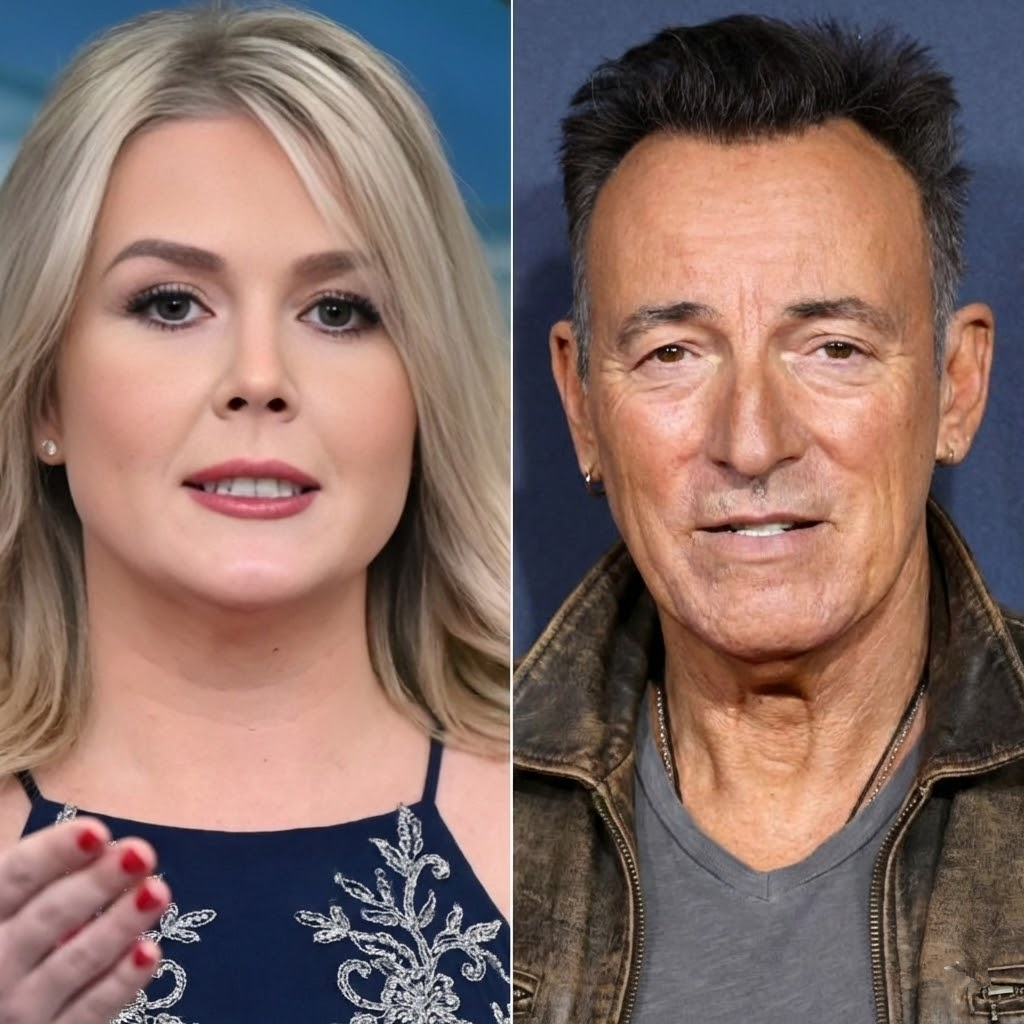
Blake Shelton walked onto The View set the way seasoned entertainers always do — relaxed shoulders, easy smile, handshake ready. To the audience, it was another polished morning television appearance. A country music icon promoting a new project. A light exchange of jokes. A safe segment designed for daytime ratings.
No one expected the segment to fracture into one of the most talked-about live television moments of the year.
The set lights glowed warm against pastel panels. The hosts exchanged their usual banter before introducing Shelton. Applause rolled across the studio as he took his seat, thanking the crowd with a nod. At first, the conversation followed a predictable rhythm — new music, life on the road, reflections on fame. Shelton answered comfortably, mixing humor with humility.

But live television has a way of shifting without warning.
The tone began to change when the discussion drifted from entertainment to culture — from chart positions to the state of public discourse. One host framed a question about celebrity responsibility in polarized times. Another suggested that artists hold influence that can either “heal division or inflame it.”
Shelton listened carefully.
“I think people are tired,” he said evenly. “Tired of being told what they’re allowed to say. Tired of pretending they don’t see what’s happening.”
The audience murmured. It wasn’t inflammatory — not yet — but it wasn’t scripted comfort either.
Whoopi Goldberg leaned forward, eyebrows raised. “Are you suggesting people are being silenced?” she asked.
Shelton didn’t rush his reply. “I’m suggesting,” he said, “that disagreement isn’t the same as danger. But we treat it like it is.”
The air in the studio shifted — subtle, but unmistakable. Producers in the control room adjusted camera angles. The rhythm of daytime ease began to tighten.
Another host countered that certain rhetoric can cause real harm and that platforms carry responsibility. Shelton nodded. “Of course they do,” he agreed. “But responsibility cuts both ways. Power doesn’t give you the right to silence people who refuse to echo you.”
The words hung in the air.
It wasn’t shouted. It wasn’t theatrical. It was measured — which somehow made it heavier.
Goldberg’s hand came down sharply on the desk. “We are not silencing anyone,” she said firmly. “We’re protecting viewers from misinformation.”
“Protecting,” Shelton repeated quietly. “Or filtering?”
The audience’s reaction fractured — some applause, some tension-filled silence.
In the control booth, producers began gesturing urgently. The segment was drifting far from its promotional purpose. This was no longer about music or touring schedules. It had become something rawer: a debate about who gets to shape narratives in public spaces.
“CUT HIS MIC — NOW,” Goldberg suddenly shouted, her voice cutting through the studio.
Gasps rippled across the room.
For a split second, nothing happened. The technical crew hesitated. Live broadcasts leave little room for error, and the delay stretched just long enough for the moment to crystallize.
Cameras locked onto Shelton.
He didn’t flinch. Didn’t raise his voice. Didn’t look angry.
He just sat there — impossibly still.
“Listen carefully,” he said, quiet but firm. “Power doesn’t give you the right to silence people who refuse to echo you.”
Whether his microphone volume had been lowered or not, the words carried. The studio seemed to contract around them.
One host attempted to interject, but Shelton continued, not aggressively, but with unmistakable resolve.
“This isn’t dialogue,” he said, voice lowering further. “It’s an echo chamber. And the moment someone refuses to play along, the panic starts.”
The phrase echo chamber landed like a spark in dry grass.
The hosts shifted in their seats. Some looked toward producers offstage. Others attempted to regain control of the conversation. The tension was electric — not loud chaos, but something sharper: the collision between controlled format and unscripted defiance.
Daytime television thrives on choreography. Segments are timed. Responses are anticipated. Conflict is moderated to fit commercial breaks.
This wasn’t moderated.
Shelton slowly rose from his chair.
The audience collectively inhaled.
He reached for the small clip at his collar, detached the microphone with deliberate calm, and placed it gently on the desk.
The gesture was not violent. Not dramatic. Just precise.
“You can kill the mic,” he said. “You can’t kill the truth.”
For a moment, no one moved.
The camera operators, unsure whether to cut away or stay locked, kept filming. A producer’s voice crackled faintly offstage. One host began speaking over him, but the words blurred into background noise.
Shelton didn’t argue further. He didn’t escalate. He simply turned and walked toward the edge of the set, offering a brief nod to the stunned studio audience.
And just like that, he was gone.
The silence he left behind was louder than any shout.
Within minutes, clips flooded social media. Hashtags trended. Commentators dissected the exchange frame by frame. Some hailed Shelton as courageous for confronting what they described as media gatekeeping. Others criticized him for oversimplifying complex issues and framing editorial moderation as censorship.
Media analysts pointed out that daytime talk shows operate under legal and ethical guidelines; producers must manage content responsibly. Critics of Shelton argued that equating that responsibility with suppression mischaracterizes how broadcast standards function.
Supporters countered that his point was philosophical rather than technical — that open discourse requires tolerance for dissent, even when uncomfortable.
In the hours that followed, representatives from the show issued a carefully worded statement reaffirming their commitment to “responsible conversation and factual integrity.” Shelton’s team released a brief note emphasizing his belief in “open dialogue rooted in respect.”
But the moment had already transcended official statements.
For viewers, it wasn’t about policy details. It was about the image: a calm figure refusing to be rattled, standing up, and removing his microphone in quiet protest.
Television historians later compared it to other live broadcast ruptures — moments when the illusion of seamless production fractured and revealed the tension underneath. Live media is powerful precisely because it is unpredictable. The boundaries between message and control can blur in real time.
What made this moment resonate wasn’t volume or outrage. It was composure.
Shelton didn’t storm out. He didn’t insult anyone personally. He articulated a principle, then acted on it symbolically.
In polarized times, symbolism travels fast.
Was it a stand for free expression? A misunderstanding of editorial responsibility? A calculated move? Or simply an authentic reaction to a conversation that spiraled beyond its intended scope?
Interpretations varied, often along ideological lines.
Yet one thing remained undeniable: the segment had shattered the comfort of predictability.
For years, audiences have debated whether mainstream platforms allow genuine disagreement or curate acceptable boundaries of thought. Shelton’s words — “This isn’t dialogue. It’s an echo chamber.” — tapped directly into that suspicion.
At the same time, his critics warned that framing moderation as oppression risks eroding trust in institutions that filter misinformation for legitimate reasons.
The debate extended far beyond a single morning show.
In retrospect, what lingered wasn’t the shout to cut the mic, nor even the walk-off itself. It was the stillness before it — the steady calm of someone who refused to be rattled under bright lights.
Live television thrives on control. That morning, control slipped.
And whether viewers saw defiance or disruption, courage or controversy, they witnessed something undeniably real: a moment when the script dissolved, and two visions of public discourse collided in front of millions.
The studio lights eventually dimmed. The next segment rolled. The broadcast continued.
But the illusion of “safe television” had already shattered — not with noise, but with a quiet sentence that refused to echo on command.