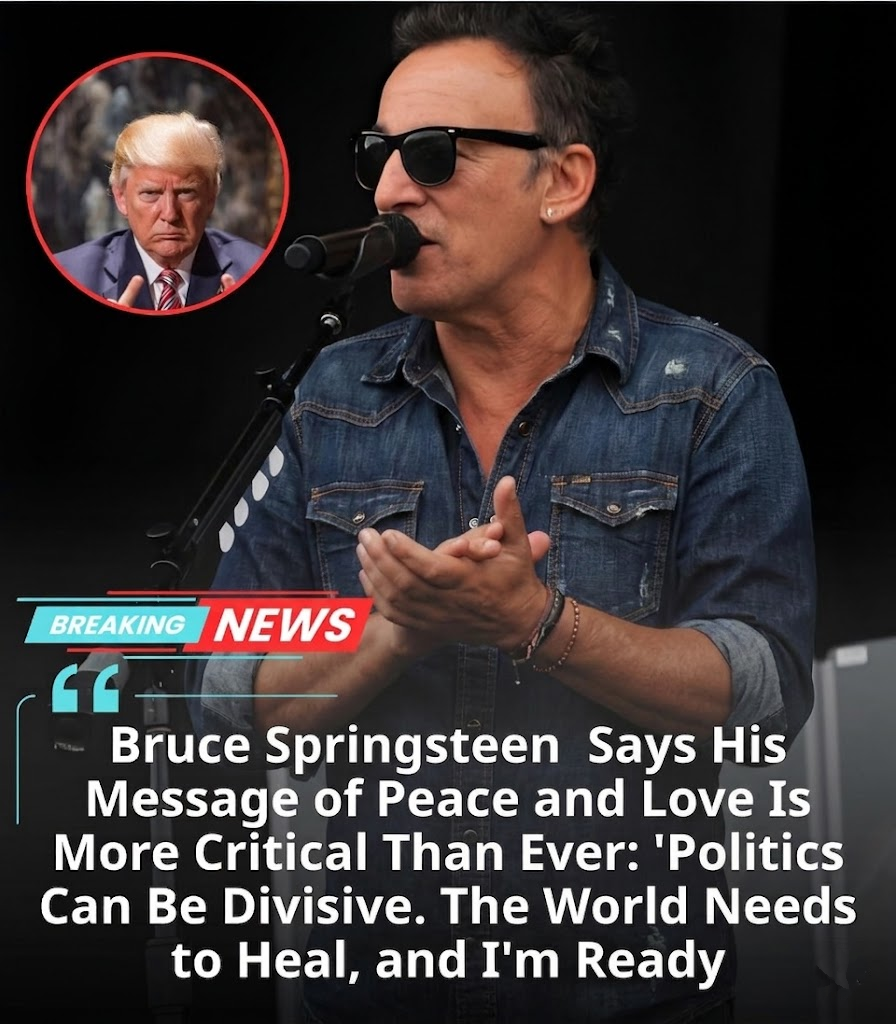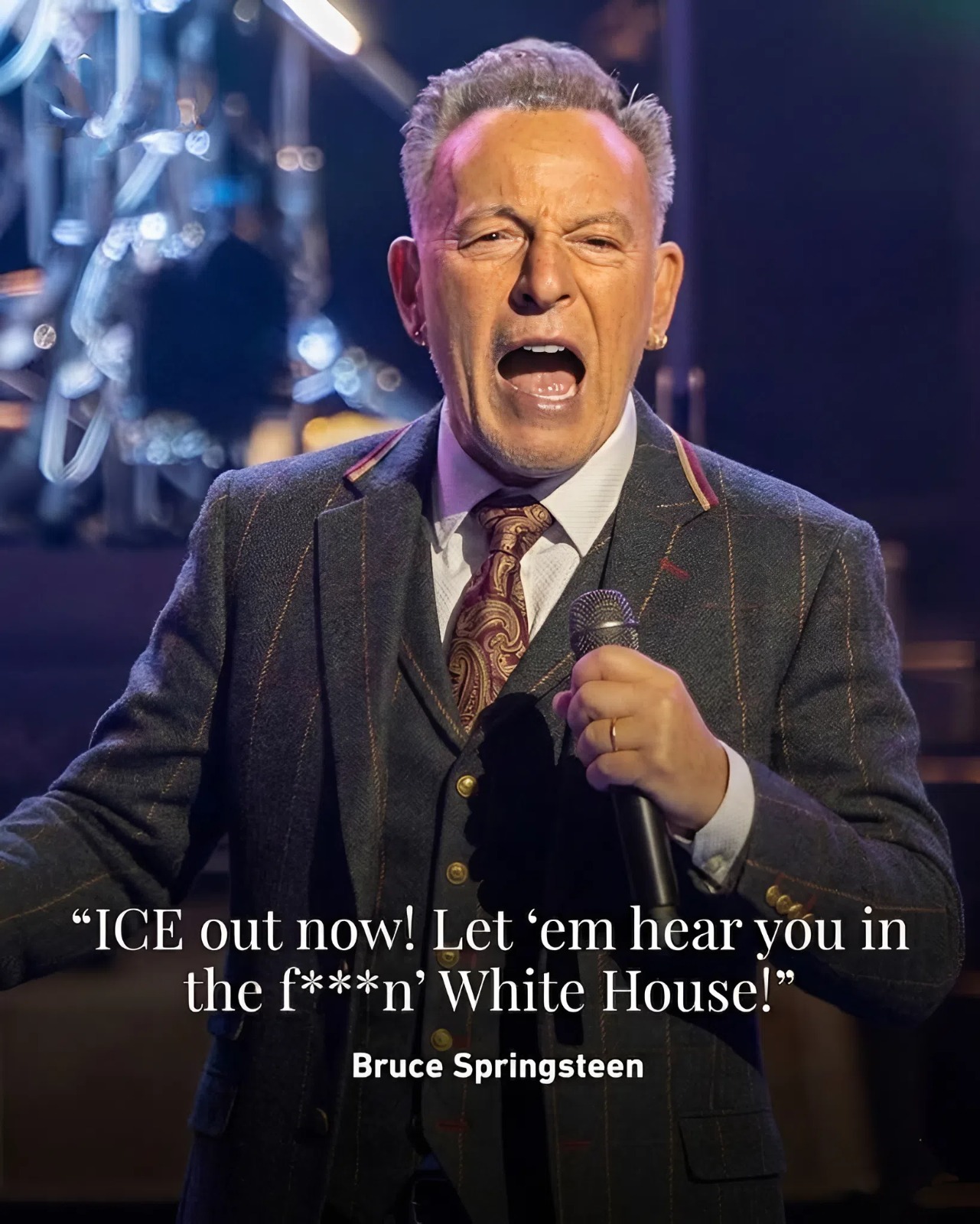
“ICE OUT!” 🔥 Bruce Springsteen and the E Street Band Deliver a Powerful Message on Immigration and Civil Rights in Washington, D.C.
Bruce Springsteen has never been known for staying silent when it comes to issues affecting ordinary people. For decades, the legendary rock icon has used his music to tell stories of struggle, resilience, and hope. On Wednesday night in Washington, D.C., Springsteen once again proved that his stage is more than a place for entertainment—it is also a platform for speaking out.

Performing before a sold-out crowd at Nationals Park as part of the highly discussed “Land of Hope and Dreams” tour, Springsteen and the E Street Band delivered a powerful, politically charged show that left audiences talking long after the final song ended. The evening blended classic rock anthems with direct commentary on immigration enforcement, civil rights, and the role of citizens in shaping the future of their communities.
One of the most talked-about moments of the night came when the band introduced new material, including a song titled “Streets of Minneapolis.” The track was inspired by reports of immigration enforcement actions and the community responses that followed in Minneapolis and neighboring St. Paul. While staying true to Springsteen’s storytelling style, the song painted a vivid picture of families facing uncertainty, neighborhoods coming together, and citizens demanding accountability from those in power.
The emotional performance resonated deeply with the crowd. As the song reached its climax, thousands of fans joined in chants of “ICE out now!” that echoed throughout the stadium. Witnesses described the moment as both electrifying and emotional, with many audience members raising signs, waving flags, and singing along with remarkable passion.
Springsteen appeared energized by the crowd’s response. Between songs, he addressed the audience with a series of spoken reflections that touched on some of the most controversial issues currently facing the nation. He spoke about immigration detention facilities, family separation concerns, and the importance of protecting civil liberties regardless of political affiliation.
“The measure of a nation,” Springsteen reportedly told the crowd, “is how it treats the people with the least power.”
The comment was met with loud applause from thousands in attendance.
For many fans, the speech was a reminder of the themes that have defined Springsteen’s career. From songs about factory workers and veterans to stories of economic hardship and social injustice, his music has consistently focused on the lives of everyday Americans. Wednesday’s performance simply brought those themes into a modern political context.
Throughout the evening, the E Street Band provided a powerful musical backdrop. Longtime members delivered energetic performances that balanced the seriousness of the evening’s message with the joy and excitement of a live rock concert. Classic songs such as “Born to Run,” “The Rising,” and “Land of Hope and Dreams” drew enormous reactions from the crowd, creating moments of unity among fans from different backgrounds.
Yet even during these familiar favorites, the political undertones remained present.
Visuals displayed on large screens highlighted images of communities, workers, families, and peaceful demonstrations. Several moments appeared carefully designed to encourage reflection on current social issues without disrupting the flow of the concert itself.
Supporters praised Springsteen for using his platform to draw attention to what they see as urgent humanitarian concerns.
“Artists have always spoken about what’s happening in society,” one attendee said after the concert. “Bruce is doing what he’s always done—telling stories about real people.”
Another fan described the show as one of the most meaningful concerts they had ever attended.
“It wasn’t just music,” they explained. “It felt like a conversation about what kind of country we want to be.”
Not everyone agrees with Springsteen’s approach, however.
Critics argue that concerts should remain focused on entertainment rather than politics. Some have accused the singer of alienating fans who hold different views on immigration and government policy. Similar debates have followed Springsteen throughout much of his career, particularly whenever he addresses controversial political subjects from the stage.
Despite the criticism, Springsteen has shown little interest in avoiding difficult conversations.
Over the years, he has consistently defended the idea that artists have a responsibility to engage with the issues shaping society. Whether discussing economic inequality, racial justice, war, or immigration, he has repeatedly emphasized the importance of civic participation and democratic engagement.
That philosophy was evident throughout Wednesday night’s performance.
Several times, Springsteen encouraged audience members to remain involved in their communities and to continue advocating for causes they believe in. Rather than endorsing specific political candidates, his remarks focused on broader themes of empathy, responsibility, and active citizenship.
The result was a concert that felt as much like a civic gathering as a traditional rock show.

As the night drew to a close, Springsteen and the E Street Band performed “Land of Hope and Dreams,” the song that gives the tour its name. The track’s message of inclusion and possibility seemed particularly fitting given the themes explored throughout the evening.
Thousands of voices joined together for the final chorus, creating one of the most memorable moments of the night. Fans swayed, sang, and embraced as the music filled the stadium.
For supporters, the concert represented the best of what live music can achieve: bringing people together while encouraging them to think critically about the world around them.
For critics, it was another example of a celebrity stepping into political territory.
Either way, there is little doubt that Bruce Springsteen succeeded in sparking conversation.
As the crowd streamed out of Nationals Park, discussions continued about immigration policy, civil rights, and the role of artists in public life. Whether attendees agreed with every message or not, they left having experienced something more than a standard concert.
They witnessed a performance that combined music, storytelling, and activism in a way that few artists can match.
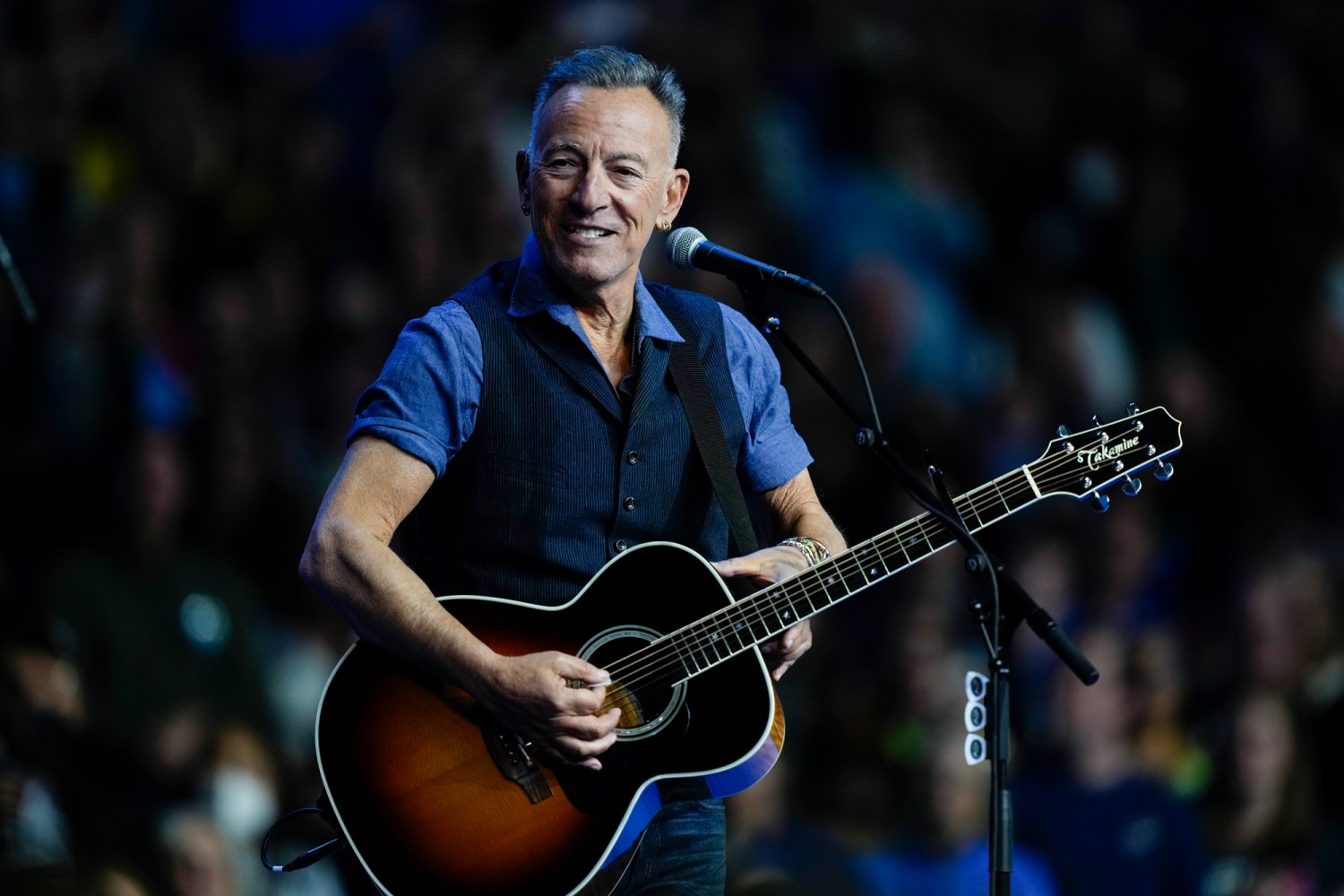
More than five decades into his career, Bruce Springsteen continues to demonstrate why he remains one of America’s most influential performers. His songs still resonate, his voice still commands attention, and his willingness to address difficult issues ensures that his concerts remain cultural events rather than simple entertainment.
Wednesday night’s show in Washington, D.C. was not merely a stop on a tour—it was a statement. And judging by the reaction from the sold-out crowd, it is a statement that many people will be discussing for a long time to come.