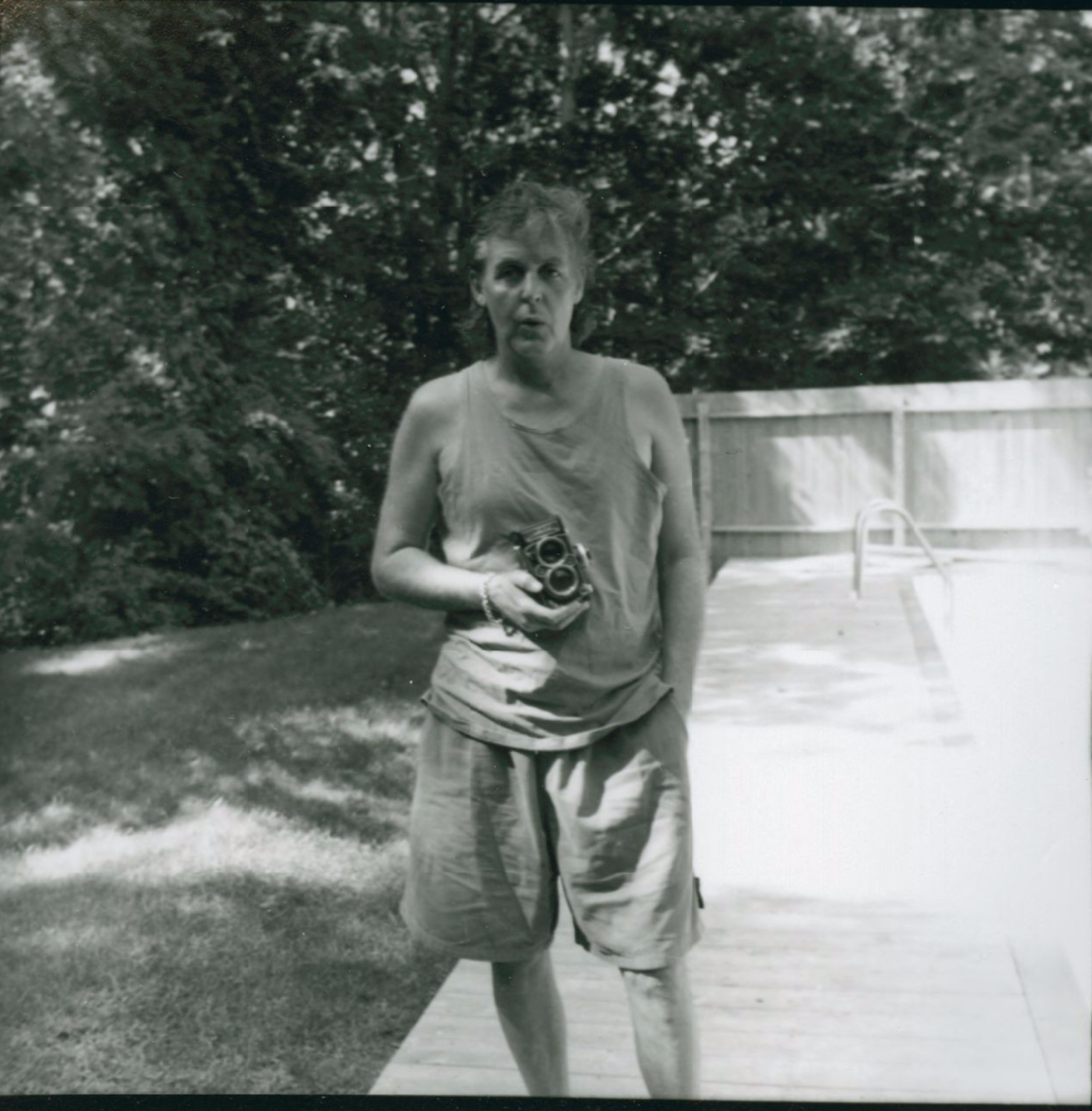
As Paul McCartney celebrates his 83rd birthday, the world pauses to honor the extraordinary life of one of music’s most influential figures. From his groundbreaking work with The Beatles to his stellar solo career and his ongoing influence in the world of music, McCartney has become a global icon whose legacy has left an indelible mark on the cultural landscape. On this milestone birthday, we look back not only on his remarkable career but also on some of the more unexpected aspects of his journey—such as his unique connection with poet Allen Ginsberg, an encounter that may surprise many of his fans.
A Birthday Tribute to a Living Legend
Paul McCartney’s contribution to music is nothing short of revolutionary. As a founding member of The Beatles, he helped shape the sound of an entire generation, defining what popular music could achieve. His creative genius extended beyond the limits of the band’s success, propelling him into a successful solo career and collaborations with various musicians across genres.
McCartney’s ability to cross genres—from rock and pop to classical and experimental music—has set him apart as one of the most versatile artists of all time. He has penned some of the most beloved songs in music history, from “Hey Jude” to “Let It Be,” and his influence continues to resonate with both old and new fans alike.
In addition to his musical genius, McCartney has become a voice for social and political issues, using his platform to advocate for animal rights, environmentalism, and global peace. His activism, alongside his music, has made him not just an artist, but a true cultural ambassador. As he celebrates another year, it’s evident that McCartney’s influence stretches far beyond the stage.
The Unlikely Connection: Paul McCartney and Allen Ginsberg

While McCartney’s music and activism are well-known, there is a fascinating and lesser-known connection between him and Allen Ginsberg, one of the most prominent poets of the 20th century. This unlikely friendship was born out of mutual respect for each other’s work and the shared cultural movements they were part of.
In 1966, during the height of The Beatles’ fame, McCartney encountered Ginsberg at the height of his own popularity. Ginsberg, a key figure in the Beat Generation, was already an established figure in the counterculture movement, known for his revolutionary poem “Howl” and his outspoken views on political and social issues. McCartney, meanwhile, was in the middle of crafting some of the most innovative music of his career, including the seminal “Sgt. Pepper’s Lonely Hearts Club Band” album.
The two first met in the mid-60s at a party in London, and McCartney was drawn to Ginsberg’s intellectual and artistic approach to life. Ginsberg, in turn, was fascinated by McCartney’s ability to capture the cultural zeitgeist through music. This interaction was a reflection of the deep cultural shifts happening in the 1960s, as music, poetry, and social activism began to intersect in powerful ways.
Shared Interests and the Impact on McCartney’s Work
The connection between McCartney and Ginsberg went beyond just admiration for each other’s art—it was a meeting of minds. Ginsberg’s freewheeling, unfiltered poetry and McCartney’s experimental music were both expressions of the desire to break free from societal norms. At a time when cultural boundaries were being pushed, their friendship symbolized the merging of different forms of art that were challenging the status quo.
In particular, Ginsberg’s influence can be seen in McCartney’s more experimental works. While McCartney was primarily known for his melodic pop tunes, the “Sgt. Pepper” era saw him venture into more avant-garde territory, experimenting with sound and production in ways that would later influence modern music. His willingness to push boundaries was likely influenced by the revolutionary nature of poets like Ginsberg, whose works often questioned authority and explored taboo subjects.

A Lasting Influence on McCartney’s Career
Although McCartney and Ginsberg did not collaborate directly on any projects, their shared creative spirit left a lasting impression on McCartney. McCartney’s interest in writing music that went beyond traditional pop songs can be seen as an extension of the same cultural forces that Ginsberg’s poetry represented. McCartney’s more introspective and experimental albums, such as “Ram” and “Band on the Run”, can be seen as an evolution of the artistic freedom that he and Ginsberg both sought.
Moreover, McCartney’s openness to various forms of artistic expression and his desire to be an active participant in cultural movements were undoubtedly influenced by his interactions with figures like Ginsberg. The freedom that McCartney expressed in his music—whether through the surreal storytelling in songs like “Eleanor Rigby” or the emotional depth in tracks like “Yesterday”—echoes the artistic freedom and personal expression that poets like Ginsberg were championing in the 1960s.
Celebrating the Legacy of Paul McCartney
As Paul McCartney celebrates his 83rd birthday, we not only look back on the incredible impact he’s had on music but also reflect on the way his personal connections, including his relationship with Allen Ginsberg, have shaped his art. McCartney’s willingness to explore new musical frontiers and his collaboration with artists from various genres and backgrounds make him one of the most dynamic and influential figures in the history of music.
From his early days with The Beatles to his enduring solo career and his influence on contemporary artists, McCartney’s legacy continues to grow stronger with each passing year. His contributions to music, activism, and culture will forever be celebrated by fans around the world.
On this milestone birthday, we honor Paul McCartney not just as a musician, but as an icon whose music, ideas, and friendships have shaped the world. And as we revisit the unique bond between McCartney and Allen Ginsberg, we are reminded that the intersections between music, poetry, and activism have always been at the heart of the creative process. Here’s to Paul McCartney—an artist whose influence continues to echo through time, and whose journey is far from over.