A HALFTIME CONTROVERSY TURNS INTO A CULTURAL FLASHPOINT

With Super Bowl LX approaching on February 8, 2026, at Levi’s Stadium, what began as a typical halftime headliner debate has erupted into a full-scale cultural movement—one that supporters say is less about one artist and more about what the biggest stage in American sports should represent. At the center of the storm is a rapidly growing fan petition that has surged past 114,000 signatures, calling on the NFL and its entertainment partners to replace reported headliner Bad Bunny with a lineup rooted in traditional country music.
The petition—circulating widely on social media and said to have launched in October 2025—has gathered momentum daily, transforming online frustration into a grassroots rallying cry. Its message is blunt: if the Super Bowl claims to be America’s event, the halftime show should reflect what the petition’s supporters describe as “authentic American roots,” not fleeting trends.
Whether the NFL responds or not, the petition’s scale signals something bigger than a routine fan complaint. It has become an emotional referendum on identity, tradition, and the growing divide over what “mainstream culture” should look like in 2026.
WHY GEORGE STRAIT IS THE SYMBOL OF THE MOVEMENT
The name most frequently attached to the campaign is George Strait, often introduced in posts as the “undisputed King of Country.” To fans driving the petition, Strait represents a type of stardom that feels increasingly rare: enduring, understated, and rooted in storytelling rather than spectacle. Supporters cite his 60+ No. 1 hits, decades of sold-out arenas, and his reputation for quiet authenticity as the ideal alternative for a halftime show that would aim to unite rather than divide.
The argument isn’t that Strait needs the Super Bowl to validate his career—his legacy is already cemented. Instead, petition supporters say Strait would bring a kind of musical “homecoming” to a stage they feel has become overly focused on modern pop branding. In their view, the halftime show should celebrate an American musical heritage that spans generations, not simply chase global virality.
In thousands of comments and reposts, Strait is framed as more than a performer. He is a symbol—of tradition, of restraint, of the kind of songs families share across time.
THE PETITION EXPANDS: “WHY NOT REBA, DOLLY, ALAN JACKSON?”

As the campaign has grown, fans have widened their vision beyond Strait alone. Many posts call for a country halftime that functions like a true cultural showcase, featuring legends such as Reba McEntire, Dolly Parton, and Alan Jackson, alongside modern stars like Luke Combs and Carrie Underwood.
For supporters, the point is not simply representation—it’s emotional resonance. Country music, they argue, is built for mass connection: songs about love, loss, hard work, pride, small-town life, and the kind of resilience that feels unmistakably American. “Country music heals, unites, and endures,” one widely shared signer comment reads, echoing the broader belief that halftime should be less about shock and more about shared feeling.
In this framing, a country lineup isn’t a niche choice—it’s a unifying one. The petition’s supporters are essentially making a claim about national identity: that country music is not a subculture, but a foundational American language.
SOCIAL MEDIA THUNDER: HASHTAGS, VIDEOS, AND A VIRAL IMAGINATION
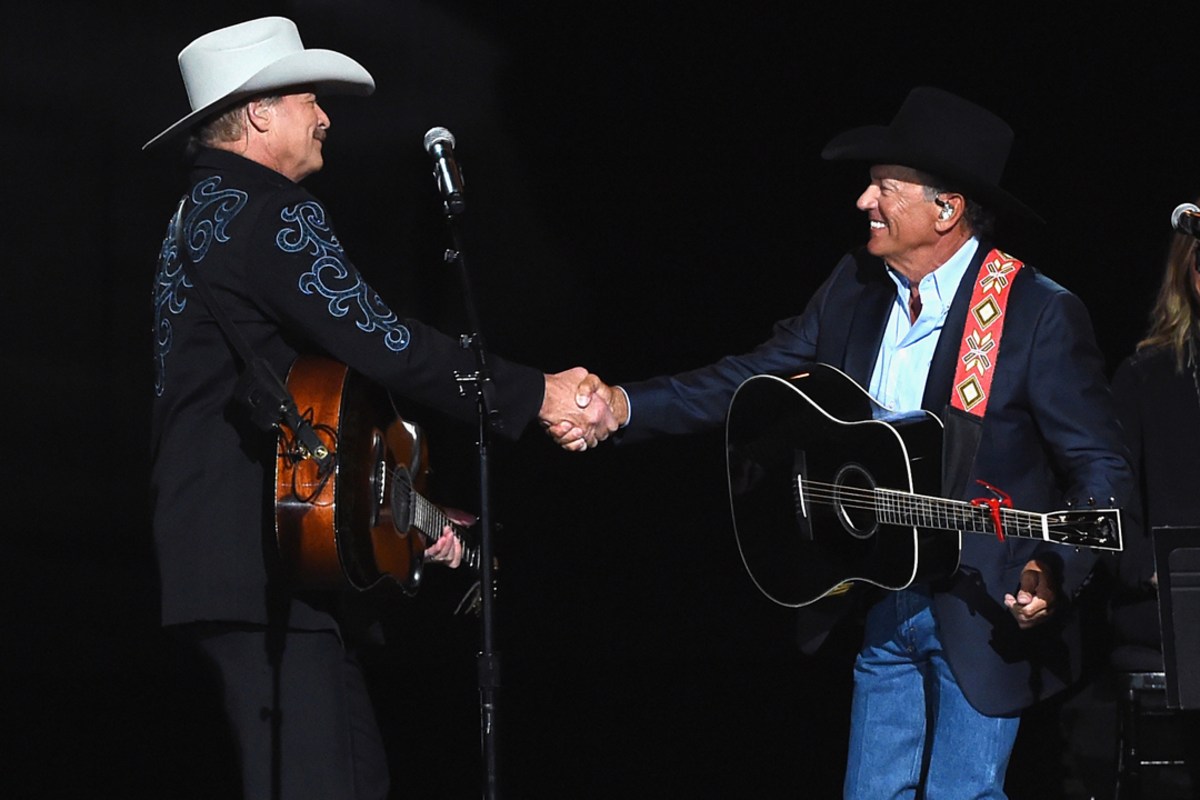
The movement’s growth has been fueled by social platforms where fans have organized around hashtags such as #StraitForSuperBowl, #RealCountryHalftime, and #HonorOurRoots. The posts often feature viral clips of legendary performances—Strait commanding an arena with minimal theatrics, Reba’s powerhouse vocals, Dolly’s unmistakable warmth, and Jackson’s emotional clarity.
What makes this campaign powerful is not just the number of signatures, but the way fans are building a vivid “alternate halftime” in public. Viral concepts circulate like storyboards: Strait tipping his signature Resistol hat under stadium lights, steel guitars rising, flags waving, a crowd singing lyrics that grandparents and teenagers both know.
A repeated caption has become a rally line: “Heritage rises. The stage awaits its true kings and queens.”
It reads less like a comment and more like a manifesto—designed to make the movement feel inevitable.
WHY BAD BUNNY BECAME THE SPARK
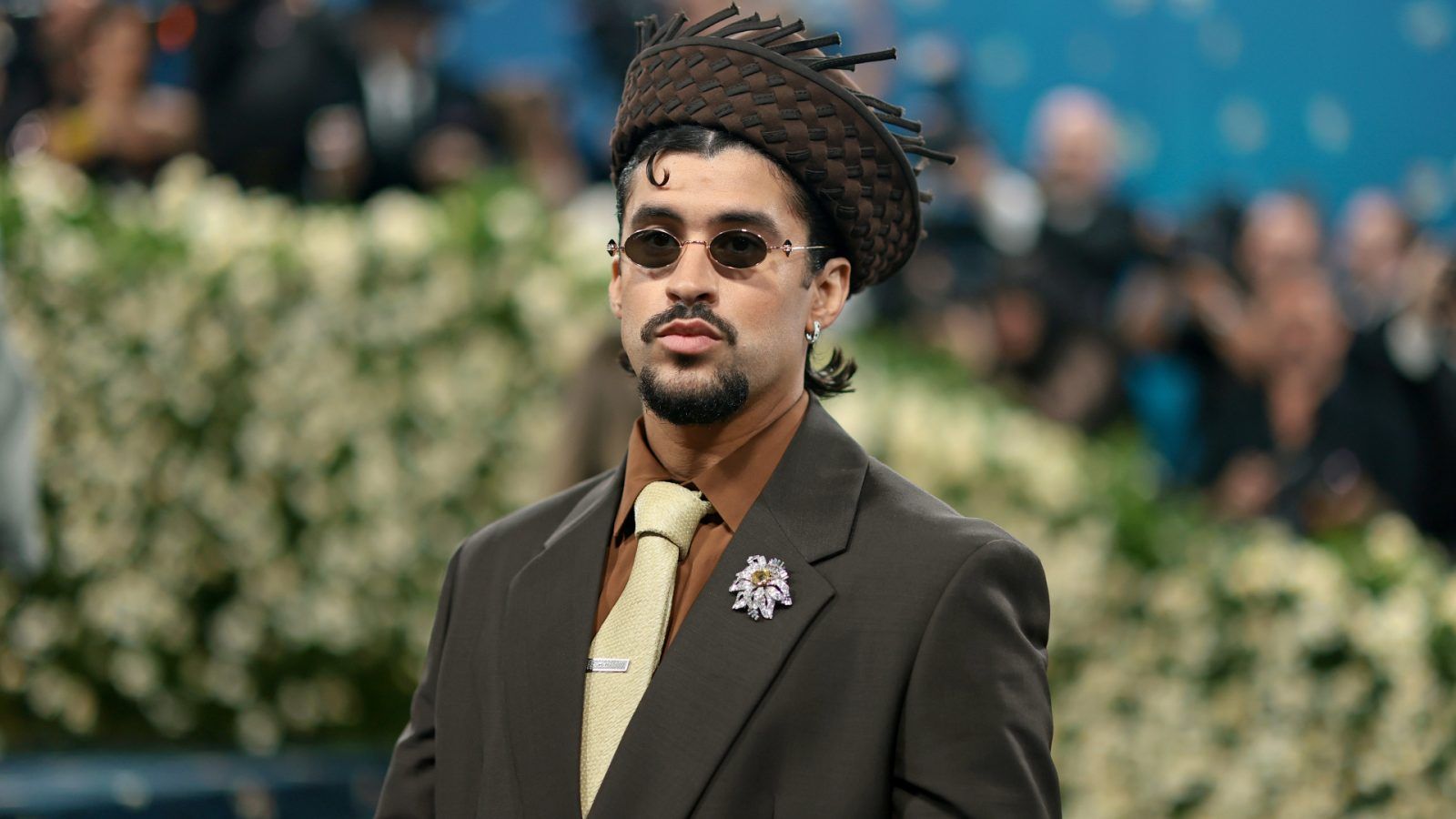
The petition’s supporters argue that their push is not personal, but symbolic. However, the controversy has been sharpened by the perception that the NFL has increasingly prioritized global pop appeal, streaming power, and headline disruption over traditional American cultural touchstones. Bad Bunny, as one of the world’s biggest contemporary stars, has become the lightning rod for that argument.
For many fans, the debate is not really about his talent—it’s about what they believe the Super Bowl represents. Supporters argue that halftime should reflect the cultural roots of the event’s core audience and “bring families together,” rather than intensify culture-war style arguments online.
Critics of the petition, meanwhile, see the movement as resistant to change and out of step with the NFL’s increasingly international branding. To them, halftime is designed to capture the broadest possible audience, and country is already celebrated heavily in American culture. In that view, the petition reflects nostalgia more than necessity.
Still, the petition’s size suggests that the emotional hunger for country representation is real—especially among audiences who feel overlooked in the entertainment decision-making process.
WHAT THE NFL HAS (SO FAR) SIGNALLED
According to the narrative circulating among supporters, the NFL has remained firm in its reported selection, showing no public indication that it intends to change course. The league historically does not allow fan petitions to dictate its entertainment strategy, and halftime decisions are typically built months in advance with complex production commitments.
But public pressure can influence optics—even when it doesn’t change logistics. A petition with more than 114,000 signatures becomes news on its own, and the NFL, like any major brand, is sensitive to perception. The growing movement is forcing a question into the mainstream conversation: is the halftime show drifting away from the “America” it claims to represent?
WHY THIS MOVEMENT IS ABOUT MORE THAN MUSIC
At its core, this petition is a fight over meaning. It’s about what counts as “American” on the largest stage, and whether tradition still holds power in a culture defined by speed and reinvention. For supporters, country music is not just a genre—it is identity, memory, and a form of emotional heritage.
They don’t describe the halftime show as entertainment alone. They describe it as a mirror—something that should reflect the nation back to itself. That’s why the campaign carries such intensity: it’s not only about who performs; it’s about who gets seen.
Whether the NFL ultimately changes anything or not, the surge shows that country music’s cultural power remains enormous—strong enough to mobilize hundreds of thousands of people with a single demand: bring the roots back.
THE BOTTOM LINE
Super Bowl LX is still weeks away, but the halftime conversation has already become one of the loudest cultural debates of the season. More than 114,000 fans have signed a petition demanding a country-led halftime show anchored by George Strait and supported by a lineup of iconic voices.
The NFL may stand firm. But the movement is growing—and in 2026, few brands can ignore a crowd this loud.
Because for the fans pushing this campaign, the message is clear:
Country nation has risen.
And its song will not be silenced.